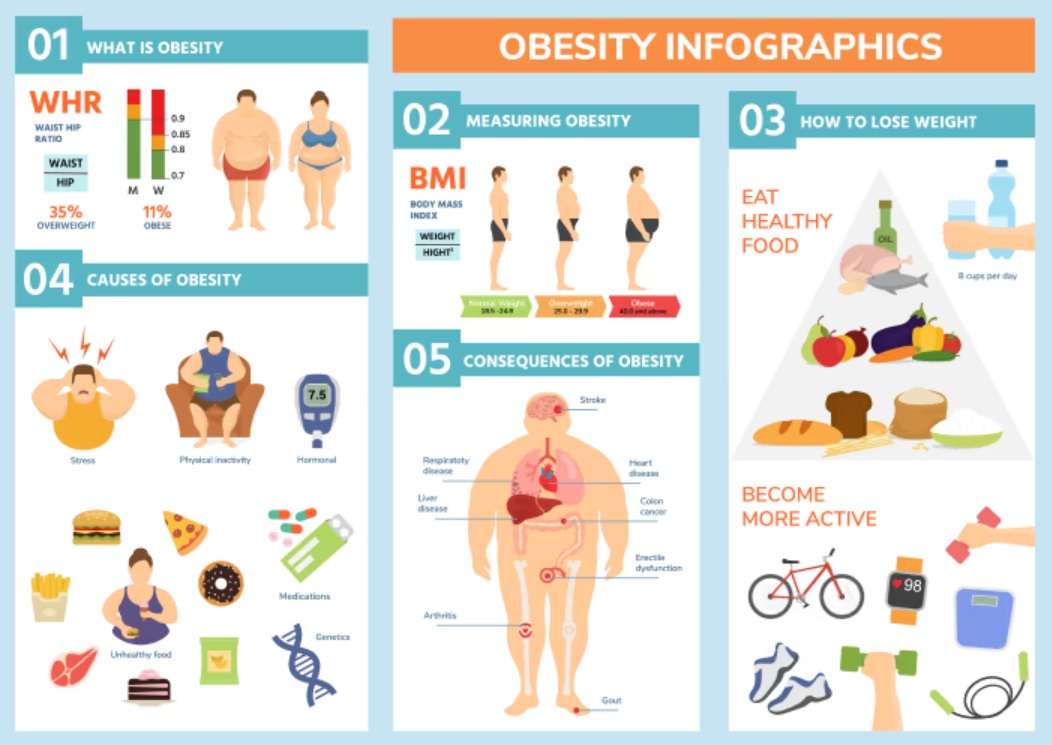
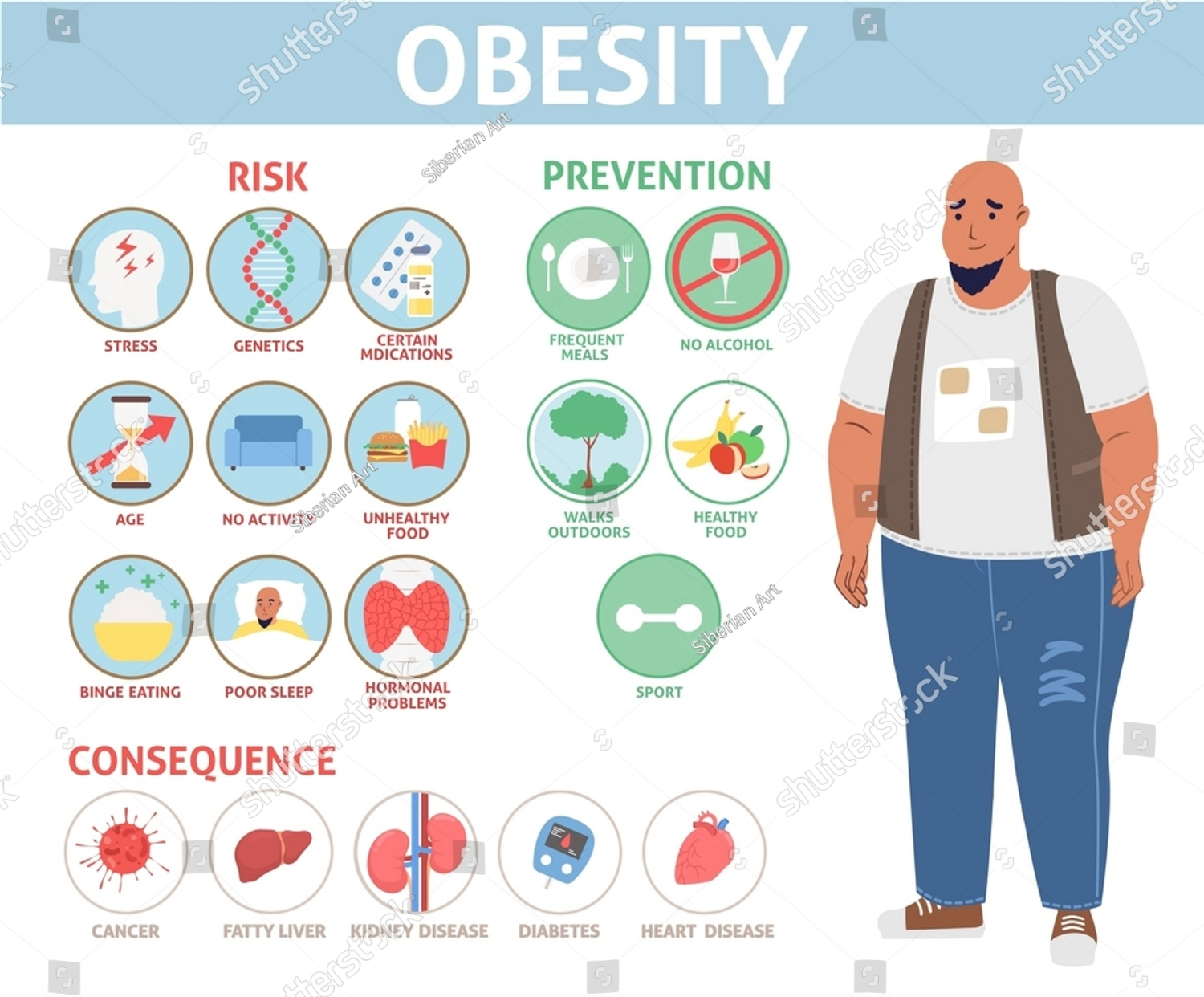
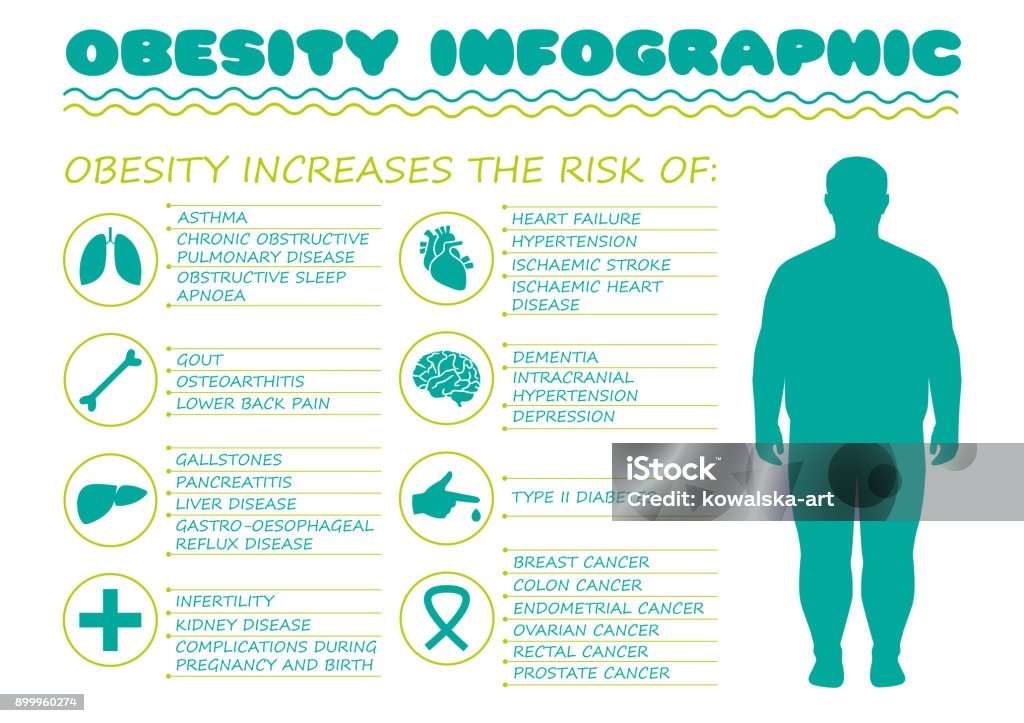
Excess body fat, especially visceral fat (fat around the abdominal organs), is associated with many common diseases, including:
- Type 2 diabetes
- High blood pressure (hypertension)
- Heart disease
- Stroke
- High cholesterol (dyslipidemia)
- Fatty liver disease (NAFLD)
- Sleep apnea
- Osteoarthritis (especially knees and hips)
- Certain cancers (e.g., breast, colorectal, endometrial, kidney)
- Chronic kidney disease
- Gallstones
- Metabolic syndrome
These conditions become more likely as excess body fat increases, particularly when fat accumulates around the waist. Maintaining a healthy body composition through proper nutrition, regular physical activity, adequate sleep, and stress management can significantly reduce these risks.
1. Why Belly Fat Changes After Age 40
Many people notice that maintaining a slim waist becomes much more difficult after the age of 40, even when they continue eating similarly and exercising regularly.
This change is not simply due to getting older. Instead, it is caused by a combination of:
- Hormonal changes
- Reduced muscle mass
- Changes in metabolism
- Lifestyle habits
- Genetics
These factors alter where the body stores fat, with a greater tendency to accumulate fat around the abdomen.
2. Not All Belly Fat Is the Same
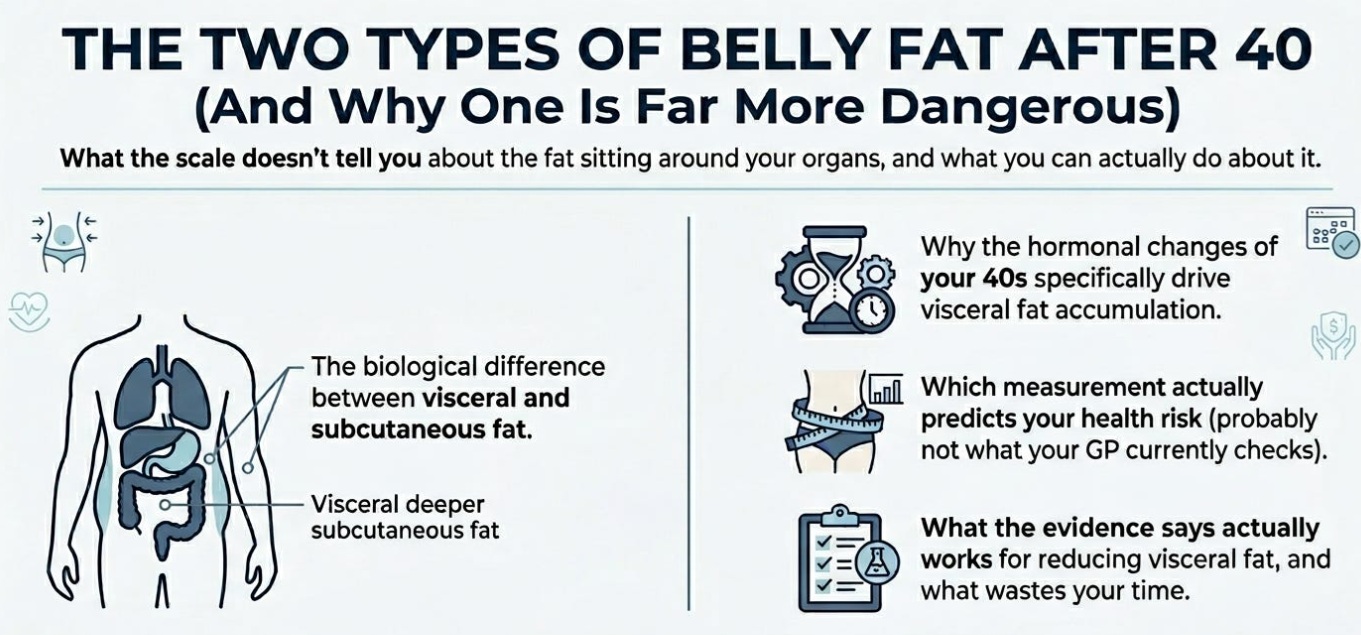
One of the article’s main messages is that there are two distinct types of belly fat, and they affect health differently.
These are:
• Subcutaneous Fat
• Visceral Fat
Understanding the difference is important because they behave very differently inside the body.
3. Type 1: Subcutaneous Fat
What is it?
Subcutaneous fat is the layer of fat located directly beneath the skin.
This is the soft fat that you can pinch with your fingers.
Characteristics
- Lies just under the skin
- Stores excess energy
- Provides insulation
- Cushions the body
- Usually soft and movable
Health Impact
Although having too much subcutaneous fat may contribute to overweight or obesity, it is generally less harmful than visceral fat.
Its main effects are:
- Cosmetic concerns
- Extra body weight
- Reduced mobility when excessive
It does not carry the same metabolic risks as visceral fat.
——————————————————
4. Type 2: Visceral Fat
What is it?
Visceral fat is stored much deeper inside the abdomen.
Instead of sitting beneath the skin, it surrounds internal organs such as:
- Liver
- Pancreas
- Kidneys
- Intestines
This is why people can have a firm or hard abdomen even if they cannot pinch much fat.
Characteristics
- Hidden deep inside the body
- Wraps around organs
- Highly metabolically active
- Produces inflammatory chemicals
- Produces hormones
Visceral fat behaves almost like an active organ rather than passive fat storage.
——————————————————
5. Why Visceral Fat Is Dangerous
Unlike subcutaneous fat, visceral fat actively affects many body systems.
Higher levels are associated with an increased risk of:
- Type 2 diabetes
- High blood pressure
- Heart disease
- Stroke
- Fatty liver disease
- Metabolic syndrome
- Chronic inflammation
- Insulin resistance
The article emphasizes that reducing visceral fat is important not only for appearance but also for long-term health.
——————————————————
6. Why Belly Fat Increases After 40
The article explains several contributors.
Hormonal Changes
As hormone levels change with age—especially around menopause in women and with gradual hormonal shifts in men—the body tends to store more fat around the abdomen.
Muscle Loss
Aging is accompanied by sarcopenia, the gradual loss of muscle. Since muscle burns more calories than fat, losing muscle lowers daily energy expenditure.
Reduced Activity
Many people also become less active over time, further reducing calorie burn.
Stress and Sleep
Poor sleep and chronic stress can raise cortisol levels, which may encourage abdominal fat accumulation.
Genetics
Genes influence where fat is stored, so some individuals are naturally more prone to abdominal fat.
——————————————————
7. Why Exercise Alone May Not Be Enough
The article notes that many people continue exercising but still struggle with belly fat.
Reasons include:
- Loss of muscle mass
- Hormonal changes
- Poor recovery
- Inadequate sleep
- Excess calorie intake
- Reduced daily movement outside formal exercise
Therefore, exercise should be combined with nutrition and lifestyle improvements for better results.
——————————————————
8. Strategies to Reduce Harmful Belly Fat
The article highlights evidence-based lifestyle measures rather than quick fixes.
Strength Training
Building and maintaining muscle helps increase energy expenditure and improve body composition.
Regular Aerobic Exercise
Walking, cycling, swimming, or similar activities improve cardiovascular health and help reduce visceral fat.
Adequate Protein Intake
Protein supports muscle maintenance and recovery.
Quality Sleep
Getting sufficient sleep helps regulate hormones involved in appetite and metabolism.
Stress Management
Reducing chronic stress may help lower cortisol-related effects on fat storage.
Balanced Nutrition
A diet emphasizing minimally processed foods while limiting excess sugar, refined carbohydrates, and alcohol supports overall metabolic health.
A safe and trusted nutritional supplement helps provide the essential nutrients your body needs—nutrients that would otherwise require eating a wide variety of foods every day. When combined with a healthy lifestyle, quality supplementation can help fill nutritional gaps and support a balanced diet, making it easier to maintain good health and overall well-being.
——————————————————
9. Key Takeaway
The article’s central message is that belly fat is not all the same.
- Subcutaneous fat lies beneath the skin and is generally less harmful.
- Visceral fat surrounds internal organs and is strongly linked to chronic disease.
After age 40, hormonal changes, muscle loss, genetics, and lifestyle factors increase the tendency to accumulate visceral fat. While this makes fat loss more challenging, visceral fat can still be reduced through consistent strength training, regular physical activity, nutritious eating, quality sleep, and stress management.